Top videos
Daily English Conversations - 900 English Conversational Sentences

In this video, Jay talks about 7 common mistakes that students often make in the IELTS Writing Test for IELTS Writing Task 2. Watch this video if you're looking to improve your IELTS Writing score.
To access the Writing Task 1 Video, sign up for FREE HERE: https://e2language.com/
? Take your IELTS at HOME by booking your IELTS Online Test here: https://go.e2language.com/e2ieltsonline
The best way to study for your IELTS is with E2’s IELTS courses:
IELTS General: https://www.e2language.com/Course/IELTS/General
IELTS Academic: https://www.e2language.com/Course/IELTS/Academic
❓Got Questions? Ask them here: http://support.e2language.com/s/contactsupport
? E2 is all about perfecting your test-taking skills. Come join us and learn the most effective way to get high score for your English test. https://www.e2language.com/
? Want more free practise activities?
Sign up for a 30 day trial. It’s FREE! https://signup.e2language.com/
#IELTSWriting #IELTS #IELTSMistakes
----------------------------------------------------------------------------------------------------------
KEY MOMENTS:
Introduction 00:00
Mistake #1: Not varying your sentences 01:10
Mistake #2: Not using subordinate clauses 03:00
Mistake #3: Not getting writing feedback 04:55
Mistake #4: Writing less than 250 words or more than 350 words 05:30
Mistake #5: Only partially answering the essay question 06:51
Mistake #6: Lacking a 'position' 08:37
Mistake #7: Over-using or under-using linking words 10:18
Conclusion 11:45
----------------------------------------------------------------------------------------------------------
MORE FREEBIES
? Find quick tips and learn key strategies- all in E2 Blog. https://blog.e2language.com/
?Listen to English and speak like natural English speaker? Tune into Everyday English Podcast https://anchor.fm/e2everydayenglish
IELTS Full Mock Test https://www.youtube.com/watch?v=NXJa7GFjY3U&t=62s
Click start your future: https://www.youtube.com/watch?v=BbvCUjsGSLs
? Let’s be friends. Connect with us on social:
Facebook: https://www.facebook.com/E2IELTS
Instagram: http://www.instagram.com/e2language/
Tiktok: https://www.tiktok.com/@e2english
? Ready for exam success? Log in and start learning. https://app.e2language.com/Account/
We have everything you need to pass your test and more!
IELTS 2022 IELTS Practice Exam IELTS Sample Test IELTS Sample Exam IELTS Guided Mock Test
IELTS Writing Mock Test IELT Speaking Mock Test IELTS Practice Test
----------------------------------------------------------------------------------------------------------
Want more IELTS Videos? Check out these playlists:
IELTS Full Mock Test: https://www.youtube.com/playli....st?list=PLdawRnR9ilZ
IELTS Speaking: https://www.youtube.com/playli....st?list=PLdawRnR9ilZ
IELTS Reading: https://www.youtube.com/playli....st?list=PLdawRnR9ilZ
IELTS Writing: https://www.youtube.com/playli....st?list=PLdawRnR9ilZ
IELTS Listening: https://www.youtube.com/playli....st?list=PLdawRnR9ilZ
----------------------------------------------------------------------------------------------------------
E2 Test Prep (http://www.e2language.com/) is the world's most popular English exam preparation platform. We've helped over 1.5 million students pass their IELTS Academic, IELTS General, PTE Academic, TOEFL iBT, OET and TOEIC English tests.
We teach proven exam strategies to help with your reading, writing, listening and speaking. Our strategies, structures and tips have been created from the ground up from having taken these exams first hand and then tested with 10s of 1000s of students who have achieved IELTS 9, PTE 90, TOEFL 30 and OET 500. They work!
On YouTube we give away some helpful videos but all of the magic happens over on https://www.e2language.com/ where you can watch lots of videos that are not on YouTube, join live group classes or take 1:1 tutorials with our expert E2 Test Prep teachers. You can also complete guided practice questions, get writing feedback or take mock tests with online speaking exams and expert feedback.
We also have a sister platform to E2 Test Prep called E2 English (https://www.e2school.com/) that covers all of the fundamentals of English such as vocabulary, grammar, pronunciation, spelling and general English from beginner to advanced. You can use E2 English to help with your IELTS, PTE, TOEFL, TOEIC or OET preparation if you need help with the words, rules and sounds of English.
So, whatever you need help with, we're here for you. If you need help with your English exam, check out https://www.e2language.com/ and / or if you need help building your English skills check out https://www.e2school.com/
Good luck! We wish you all the very best with your English language learning and exam preparation journey.

? Practice English Listening Skills By Topics With Transcript Through 3 Steps:
? Step 1: Listen without English subtitles. Try to understand what speakers say in the conversation and write it down.
? Step 2: Listen with English subtiles. Now, the transcript will show up in the screen to check. Listen and read carefully.
? Step 3: Listen without English subtitles again. The transcript will be gone and you have to listen and check if you still understand everything.
If you understand everything at step 3, you can move on to the next conversation. If not, get back to step 2.
️? The video content:
[00:08] - Topic 1: Job Interview (Track 1)
[01:10] - Topic 1: Job Interview (Track 2)
[02:58] - Topic 1: Job Interview (Track 3)
[04:22] - Topic 1: Job Interview (Track 4)
[06:51] - Topic 1: Job Interview (Track 5)
[09:10] - Topic 2: Meeting (Track 6)
[10:19] - Topic 2: Meeting (Track 7)
[12:27] - Topic 2: Meeting (Track 8)
[14:24] - Topic 2: Meeting (Track 9)
[16:06] - Topic 2: Meeting (Track 10)
[18:20] - Topic 3: Purchasing Equipment (Track 11)
[19:56] - Topic 3: Purchasing Equipment (Track 12)
[21:42] - Topic 3: Purchasing Equipment (Track 13)
[24:54] - Topic 3: Purchasing Equipment (Track 14)
[27:08] - Topic 3: Purchasing Equipment (Track 15)
[28:30] - Topic 4: Business Issues (Track 16)
[30:00] - Topic 4: Business Issues (Track 17)
[31:40] - Topic 4: Business Issues (Track 18)
[34:14] - Topic 4: Business Issues (Track 19)
[35:17] - Topic 4: Business Issues (Track 20)
[37:32] - Topic 5: Shopping (Track 21)
[40:00] - Topic 5: Shopping (Track 22)
[42:17] - Topic 5: Shopping (Track 23)
[44:19] - Topic 5: Shopping (Track 24)
[46:32] - Topic 5: Shopping (Track 25)
[48:09] - Topic 6: Travel (Track 26)
[50:00] - Topic 6: Travel (Track 27)
[51:54] - Topic 6: Travel (Track 28)
[53:36] - Topic 6: Travel (Track 29)
[55:28] - Topic 6: Travel (Track 30)
[56:54] - Topic 7: Eating (Track 31)
[58:12] - Topic 7: Eating (Track 32)
[59:55] - Topic 7: Eating (Track 33)
[1:01:29] - Topic 7: Eating (Track 34)
[1:03:13] - Topic 7: Eating (Track 35)
[1:05:02] - Topic 8: Entertainment (Track 36)
[1:06:45] - Topic 8: Entertainment (Track 37)
[1:08:26] - Topic 8: Entertainment (Track 38)
[1:09:46] - Topic 8: Entertainment (Track 39)
[1:11:42] - Topic 8: Entertainment (Track 40)
[1:13:20] - Topic 9: Medicine (Track 41)
[1:14:36] - Topic 9: Medicine (Track 42)
[1:15:36] - Topic 9: Medicine (Track 43)
[1:17:26] - Topic 9: Medicine (Track 44)
[1:19:32] - Topic 9: Medicine (Track 45)
[1:21:28] - Topic 10: Hotel (Track 46)
[1:23:04] - Topic 10: Hotel (Track 47)
[1:24:52] - Topic 10: Hotel (Track 48)
[1:25:58] - Topic 10: Hotel (Track 49)
[1:27:25] - Topic 10: Hotel (Track 50)
[1:29:13] - Topic 11: Bank (Track 51)
[1:30:51] - Topic 11: Bank (Track 52)
[1:32:00] - Topic 12: Post Office (Track 53)
[1:34:50] - Topic 12: Post Office (Track 54)
[1:36:17] - Topic 13: Real Estate (Track 55)
[1:38:43] - Topic 13: Real Estate (Track 56)
[1:40:09] - Topic 13: Real Estate (Track 57)
[1:42:38] - Topic 13: Real Estate (Track 58)
[1:44:02] - Topic 13: Real Estate (Track 59)
[1:46:52] - Topic 13: Real Estate (Track 60)
Try to practice everyday and you will improve your English listening better ?
#learnenglish #englishlistening #englishconversation #toeic

https://linktr.ee/NoteFull - Click for ALL our help to earn your dream TOEFL score NOW!
TOEFL Reading Episode #11 Chapters:
0:00 Intro to the Series
1:23 1-Tip: Study in 20 or 100 hour chunks
4:25 2-Trick: What to do when lost on a question
8:09 3-Tip: What to do when lost on the listening
11:58 4-Trick: What to do when you're not improving
15:25 5-Tip: What to do when you're freaking out
18:15 Review of all tips & tricks
21:47 Ending message to succeed on your TOEFL
You're watching episode #11 of your TOEFL Talk with NoteFull series with TOEFL Listening Tips and Tricks from NoteFull to reach your dream TOEFL score! Expect to learn how to improve your TOEFL studying (how to study for the TOEFL so you also know how to improve your TOEFL score).
Watch from start to finish to improve your TOEFL listening score with these 5 TOEFL Listening Tips and Tricks with Joseph from NoteFull.
Strong, effective TOEFL preparation for your TOEFL test is tough. So, to help you with the longer, more serious TOEFL exam training to improve BIG, you'll master powerful TOEFL listening tips & tricks with this episode.
PLUS, improve with critical training and more personal support on these TOEFL listening tips & tricks in future lessons so that you can improve your TOEFL listening score by 5, 10, 15 points: the improvements that MANY NoteFull students have accomplished with months of dedicated training.
YOU CAN AND WILL PASS TOO!
With our TOEFL talk with NoteFull series, you receive the regular support (with new episodes uploaded every or every other Thursday) and encouragement you need to improve your TOEFL score to reach the most challenging requirements. This means we'll do our best to guide you over the weeks and months it will take for you to pass your TOEFL.
For our FREE TOEFL course to train you on every section: https://www.notefull.com/produ....ct/free-course-for-a
For our MOST POWERFUL self-study course to get your dream TOEFL score, our Diamond Course: https://www.notefull.com/produ....ct/diamond-course-fo
? 10% OFF my online GOLD course: https://social.keithspeakingacademy.com/Daw3
_____
Idioms for IELTS Speaking
Idioms are fun, and I want to show you a bunch of idioms that you can use for any topic in IELTS Speaking.
Let’s do it
_____
? Get the FREE PDF with all of these idioms here:
https://keithspeakingacademy.c....om/useful-idioms-iel
Read this complete lesson here: https://keithspeakingacademy.c....om/ielts-speaking-id
Topics covered in this video:
00:00:00 Welcome
00:00:22 Introduction
00:04:46 Expressing Opinions
00:08:57 Like and Dislikes
00:12:35 Confusing things
00:14:30 Elsa mobile app
00:18:10 Introducing people
00:19:42 Things that are GOOD
00:21:04 Things that are NORMAL
00:21:53 Things that are NOT GOOD
*****
IMPROVE YOUR ENGLISH:
? Learn all about the IELTS Speaking test: https://keithspeakingacademy.c....om/ielts-speaking-te
? Practice speaking English with italki (I will give you $10 towards your first lesson):
https://www.italki.com/affshare?ref=IELTS
Download ELSA for Free: http://bit.ly/ElsaxEnglishSpeakingSuccess
Exclusive offer for my students: https://elsaspeak.com/inf/englishspeakingsuccess/
*****
Follow me on social media
Facebook Page: https://www.facebook.com/keithspeakingacademy
Facebook Group: https://www.facebook.com/group....s/KeithIELTSMastermi
Website: https://keithspeakingacademy.com/
#IELTSSPEAKING #IELTSvocabulary #IELTSidioms #IELTS2021 #keithspeakingacademy
*****
Learn an idiom a day
Keep practicing
Keith

Need an IELTS Speaking Crash Course? Watch this video!
In this lesson, Jay teaches you about the 3 Parts that will appear in the IELTS Speaking Test.
To watch the E2 IELTS Methods Videos EXCLUSIVE on E2 Test Prep, sign up for FREE HERE:
IELTS General: https://www.e2language.com/Course/IELTS/General
IELTS Academic: https://www.e2language.com/Course/IELTS/Academic
? Take your IELTS at HOME by booking your IELTS Online Test here: https://go.e2language.com/e2ieltsonline
The best way to study for your IELTS is with E2’s IELTS courses:
IELTS General: https://www.e2language.com/Course/IELTS/General
IELTS Academic: https://www.e2language.com/Course/IELTS/Academic
❓Got Questions? Ask them here: http://support.e2language.com/s/contactsupport
? E2 is all about perfecting your test-taking skills. Come join us and learn the most effective way to get high score for your English test. https://www.e2language.com/
? Want more free practise activities?
Sign up for a 30 day trial. It’s FREE! https://signup.e2language.com/
#IELTSSpeaking #IELTS #E2IELTS
----------------------------------------------------------------------------------------------------------
KEY MOMENTS:
Introduction 0:00
During Your Speaking Test 01:49
IELTS Speaking Part 1 01:58
IELTS Speaking Part 2 03:11
IELTS Speaking Part 3 04:23
Scoring 05:56
Conclusion 08:26
----------------------------------------------------------------------------------------------------------
MORE FREEBIES
? Find quick tips and learn key strategies- all in E2 Blog. https://blog.e2language.com/
?Listen to English and speak like natural English speaker? Tune into Everyday English Podcast https://anchor.fm/e2everydayenglish
IELTS Full Mock Test https://www.youtube.com/watch?v=NXJa7GFjY3U&t=62s
Click start your future: https://www.youtube.com/watch?v=BbvCUjsGSLs
? Let’s be friends. Connect with us on social:
Facebook: https://www.facebook.com/E2IELTS
Instagram: http://www.instagram.com/e2language/
Tiktok: https://www.tiktok.com/@e2english
? Ready for exam success? Log in and start learning. https://app.e2language.com/Account/
We have everything you need to pass your test and more!
IELTS 2022 IELTS Practice Exam IELTS Sample Test IELTS Sample Exam IELTS Guided Mock Test
IELTS Writing Mock Test IELT Speaking Mock Test IELTS Practice Test
----------------------------------------------------------------------------------------------------------
Want more IELTS Videos? Check out these playlists:
IELTS Full Mock Test: https://www.youtube.com/playli....st?list=PLdawRnR9ilZ
IELTS Speaking: https://www.youtube.com/playli....st?list=PLdawRnR9ilZ
IELTS Reading: https://www.youtube.com/playli....st?list=PLdawRnR9ilZ
IELTS Writing: https://www.youtube.com/playli....st?list=PLdawRnR9ilZ
IELTS Listening: https://www.youtube.com/playli....st?list=PLdawRnR9ilZ
----------------------------------------------------------------------------------------------------------
E2 Test Prep (http://www.e2language.com/) is the world's most popular English exam preparation platform. We've helped over 1.5 million students pass their IELTS Academic, IELTS General, PTE Academic, TOEFL iBT, OET and TOEIC English tests.
We teach proven exam strategies to help with your reading, writing, listening and speaking. Our strategies, structures and tips have been created from the ground up from having taken these exams first hand and then tested with 10s of 1000s of students who have achieved IELTS 9, PTE 90, TOEFL 30 and OET 500. They work!
On YouTube we give away some helpful videos but all of the magic happens over on https://www.e2language.com/ where you can watch lots of videos that are not on YouTube, join live group classes or take 1:1 tutorials with our expert E2 Test Prep teachers. You can also complete guided practice questions, get writing feedback or take mock tests with online speaking exams and expert feedback.
Our teachers and markers are all highly qualified native or bilingual teachers who have top notch university degrees in teaching English as a foreign language (TEFL) or applied linguistics. We are the best at test prep!
We also have a sister platform to E2 Test Prep called E2 English (https://www.e2school.com/) that covers all of the fundamentals of English such as vocabulary, grammar, pronunciation, spelling and general English from beginner to advanced. You can use E2 English to help with your IELTS, PTE, TOEFL, TOEIC or OET preparation if you need help with the words, rules and sounds of English.
So, whatever you need help with, we're here for you. If you need help with your English exam, check out https://www.e2language.com/ and / or if you need help building your English skills check out https://www.e2school.com/
Good luck! We wish you all the very best with your English language learning and exam preparation journey.

IELTS Tips and Tricks Malayalam | IELTS Training | How to score in IELTS Exam | Sreevidhya Santhosh
Sign up for a free trial class: http://www.angloverse.org/free-ielts-class/
Score 7+ Bands on IELTS through Personalised Online Classes
Click here for WhatsApp - https://wa.me/918089757507
?? - Maximum 3 students per batch for individual attention
? - Flexible timings between 6am -10pm: Perfect for working professionals
? - Exam Tips & Strategy Sessions and Weekly Mock Tests
IELTS Reading & Writing Tips:
http://www.angloverse.org/ielt....s-reading-writing-ti
✒️ FOR BUSINESS ENQUIRIES
Contact Us ? info@calibriedu.com
☎️ Call / ? WhatsApp,
UAE: +971 55 185 6561 ( https://wa.me/971551856561 )
IND: +91 95442 21199 ( https://wa.me/919544221199 )
for booking sessions on Career Guidance, Aptitude Test, Human Resource Management, UAE Labour Law, Interview Management, CV Making etc.
STAY CONNECTED
? Websites: http://sreevidhyasanthosh.com/ | http://calibriedu.com/
? Call: +971 55 185 6561 (UAE) | +91 95442 21199 (IND)
? Instagram: https://www.instagram.com/sreevidhya.santhosh/
? Facebook: https://www.facebook.com/sreevidhya.trainer/
? TikTok: https://vm.tiktok.com/ZSJvWxQGt/
Please do watch, enjoy and give your valuable feedbacks. Don’t forget to subscribe - https://bit.ly/SreevidhyaSanthosh
PLAYLISTS YOU MAY LIKE
? https://bit.ly/Career_Guidance_Malayalam
? https://bit.ly/How_to_become_Malayalam
? https://bit.ly/One_Minute_Series_Malayalam
? https://bit.ly/Career_Guidance_QandA_Malayalam
? http://bit.ly/3at3_Malayalam_Motivation
ABOUT
Sreevidhya Santhosh is a Life Coach, Career Expert, and a successful Entrepreneur who has influenced thousands of students to choose the right career path and helped them to be more informed about better educational and career choices. She is known for empowering people around the world to discover their ideal careers and live the life of their dreams!
ielts, angloverse, ielts tips and tricks, how to score in ielts, ielts training, scores for ielts, ielts, studyabroad, abroadstudy, study abroad malayalam, Study in Canada, study Abroad Tips, study abroad, international students, immigration news, after 12th, admissions to abroad, admissions after 12th, studies abroad, careers in abroad, ielts exam
|| ANTI PIRACY WARNING ||
© This content is copyrighted to SREEVIDHYA SANTHOSH.
Any unauthorized reproduction, redistribution or reupload is strictly prohibited.
Legal action will be taken against those who violate copyright of the same.

Learning is always fun with Kids Tv Fairytales popular nursery rhymes. We bring to you some amazing songs for kids to sing along with us and have a good time. Kids will dance, laugh, sing and play along with our videos while they also learn numbers, letters, colors, good habits and more!
So come along for an awesome educational fun ride with our wide variety of nursery rhymes songs and don’t forget to subscribe to our channel for new videos every week.
KIDS FIRST - Kids Videos & Nursery Rhymes | Free App Download: http://m.onelink.me/1e8f6c16
Bob the Train Plush Toys now available on Amazon. Buy yours today! Bob the Train Amazon Store: https://amzn.to/2PCeSDS
Click on the Link Below to Watch and Read Wonderful Stories of Super Supremes only on Rivet! :
https://rivet.area120.com/read/#/category/youtube/Super%20Supremes?utm_source=youtube_direct&utm_campaign=Super%20Supremes
© 2017 USP Studios Private Limited
===========================================================
Music and Lyrics: Copyright USP Studios™ Video: Copyright USP Studios™
===========================================================
#theantsandthegrasshoppers #antandgrasshopperstory #kidsstories #fairytales #kidsstory #storiesforkids #thethreebears #bedtimestories #funstories #storystories #familyfriendsly #story #stories #cartoonstories #storytelling #cartoonkids #kidsvideos #storytime #babystories #shortstories #kidstv #kidssongs #babysongs #songsforchildren #songsforbabies #songsforkids #funtime #pretendplay #pretendplaysong
http://www.epicphonics.com/resources/phase/2 Check out our printable phonics resources and online games!
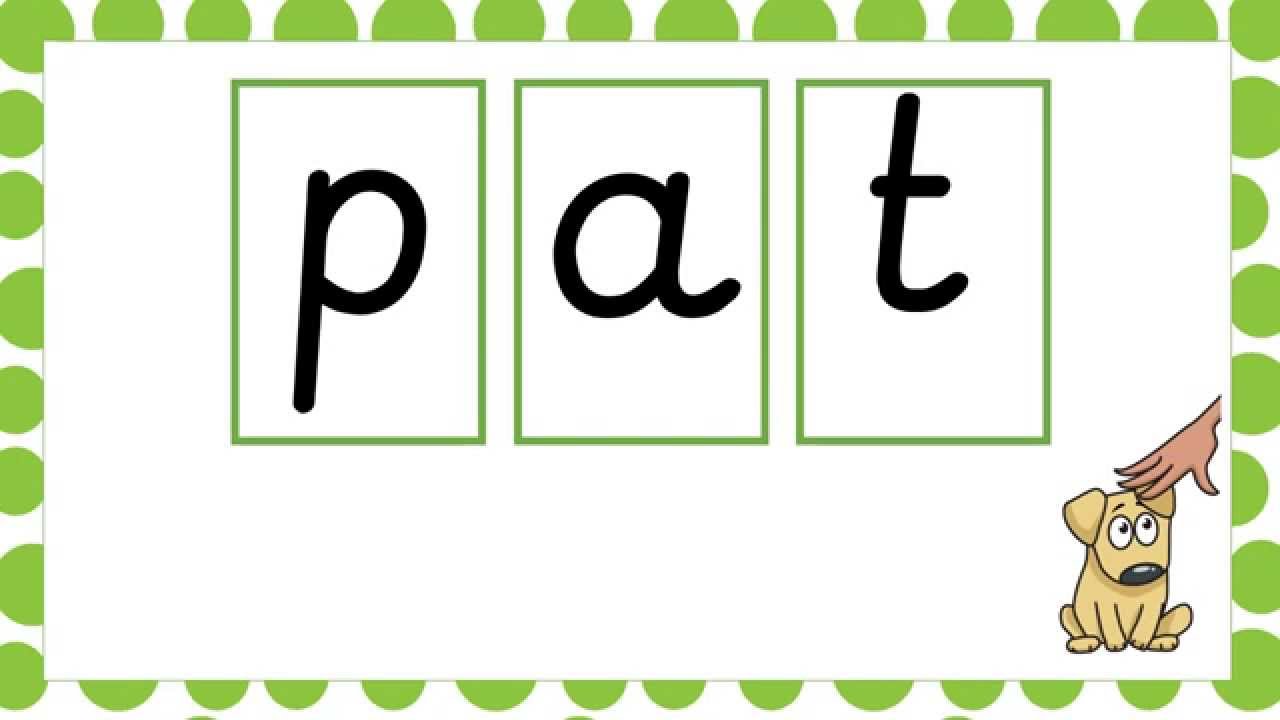
This reading machine helps children practice blending the letter sounds they've already learnt with simple phonetically decodable CVC words. The letters are from Phase 2 Phonics of the Letters and Sounds document s,a,t,p,i and n. Children in reception learn this sounds first usually in this order. In this video I sound out the words for the children and blend them together to say the word.
A license to use this royalty-free music by EpicSounds was purchased from AudioJungle.net

Our Word Family series helps students learn ʺfamiliesʺ of words that appear frequently in English. Each episode introduces a new word family, with a simple, easy-to-read story. As they learn and practice word families, readers quickly build vocabulary and fluency.
You can check out our stories on the Little Fox YouTube channel.
SUBSCRIBE : https://url.kr/wf97sk
===================================
00:00 Intro
00:05 Word Families 1: The Cat Sat
03:06 Word Families 2: Sam Has Ham
06:17 Word Families 3: Dan Ran
08:57 Word Families 4: Dad is Mad
===================================
About the Little Fox YouTube Channel
Welcome to the Little Fox channel of fun animated stories for kids. From traditional fairy tales that have been loved for many generations to classic stories that are recognized worldwide for their literary value, kids will learn natural and authentic English with our stories. Visit our website, www.littlefox.com, for more stories.

Learn English Vocabulary for Everyday Life - Improve Your English Everyday
==============================================
Thanks For Watching! Please Like, Share & Comment If You Like This Video!
----------------------------------------------------------------------------
Learn more about exercises to improve English here:
https://youtu.be/IRGd9VQ2RQ4
----------------------------------------------------------------------------
Watching more English Speaking Courses
https://www.youtube.com/playli....st?list=PLOCvbe7RB9f
----------------------------------------------------------------------------
Subscribe English Speaking Course to get the newest interesting video:
https://www.youtube.com/channe....l/UCLsI5-B3rIr27hmKq
--------------------
Executive Producer: 3S Animation
#englishspeakingcourse #englishconversation

スマホ修理店…フランチャイズ起業した末路とは?
?チャンネル登録はこちらからどうぞ!!
https://www.youtube.com/channe....l/UCW93z1GN1ej4QKfDB
■参考サイト・引用サイト
https://ja.wikipedia.org/wiki/....%E6%97%A5%E6%9C%AC%E
https://saiyasu-syuuri.com/blo....g/smartphone-repair-
https://fc-kamei.net/fc-column..../fc-column/franchise
https://smahospital.jp/column/....repair-smartphone/mi
https://www.icracked.jp/topics..../other/road_to_regis
https://iphone-fc-lp.com/?utm_source=yahoo&utm_medium=cpc&utm_campaign=main&yclid=YSS.1001130998.EAIaIQobChMItKCMn_-6_gIVDFdgCh06KgdQEAAYASAAEgLPdfD_BwE
https://saiyasu-syuuri.com/blo....g/iphone-repairshop-
https://iphonepro.co.jp/news/i....phone%e4%bf%ae%e7%90
【視聴者のみなさまへ】
取り上げた企業やサービス、商品を貶める目的の動画ではありません。
ぜひ最後まで動画をご覧ください。
【著作権について】
動画内で使用している画像の著作権は全て権利所有者様に帰属します。
万が一動画の内容に問題がある場合、権利所有者様からご連絡いただけると幸いです。

【見るべき神動画①】
・中学英語完全攻略
https://youtu.be/-d-CgIl1ce4
【見るべき神動画②】
・基本動詞50選
https://youtu.be/Sart2hfZgx0
【見るべき神動画③】
・前置詞44選
https://youtu.be/8nwxejhMf50
【見るべき神プレイリスト】
・ネイティブの音声変換
https://youtube.com/playlist?l....ist=PLbAvqVwUZG8yvMD
#DJ社長のYouTube大学
---------Repezen Foxx-----------
【Repezen Foxx】shorts
https://youtube.com/channel/UC....VBOJ8B3ZqnuH2AvwrciX
【公式LINE】https://lin.ee/Bxdmie1
-----Instagram-----
【DJ Shacho】https://www.instagram.com/djshacho_candyfoxx/
【DJ Foy】https://www.instagram.com/djfoy_candyfoxx/
【DJ GINTA】https://www.instagram.com/dj_ginta/
【DJ WAKI】https://www.instagram.com/mg_waki/
【DJ MARU】https://www.instagram.com/dj_maru_/
【Candy Foxx】https://www.instagram.com/studio_candyfoxx/
-----TikTok-----
【DJ Shacho】https://vt.tiktok.com/ZSe9MBS5B/
【DJ Foy】https://vt.tiktok.com/ZSe9MrQWj/
【DJ GINTA】https://vt.tiktok.com/ZSe9MBuk3/
【DJ WAKI】https://vt.tiktok.com/ZSe96cqEW/
【DJMARU】https://vt.tiktok.com/ZSexwS3y8/
【Repezen Foxx】https://www.tiktok.com/@repezen_foxx_

中級より難しく上級より易しいレベルです。ネイティブのナレーターが話す音声を何度も聞いて、あなたのリスニング力を鍛えましょう!適度に負荷のかかる長さで、大学入学共通テストや英検、TOEIC(R)などの試験対策にも向いています。
英語は合計で4回流れます。最初は自然な速度(自然だから聞き取りにくい)の音声が2回流れるので、何を話しているか考えてみましょう。次に、聞き取りやすい速度で音声が1回、最後にもう一度自然な速度の音声が流れます。この時は、画面に字幕が表示されるので、答え合わせをしましょう。
⭕️本動画や「英語の耳を作る!リスニング」シリーズはすべて英語ネイティブの「人間の声」による録音です。YouTube上にある模倣動画の多くは機械音声が使われていますが、機械音声でのリスニング練習は音声変化が不自然なケースが多いためおすすめしません。英語の音の連結(リンキング)や脱落(リダクション)などの音声変化は、自然な人間の声で聞くのが最も効果的です。
?英語の耳を作る!中上級リスニング特訓(日本語音声なし)- https://youtu.be/hawT6BBL0nI
?英語の耳を作る!中級リスニング特訓 - https://youtu.be/XVwxq-x0ggo
?英語の耳を作る!上級リスニング特訓①(日本語音声なし) - https://youtu.be/ufusnWiW4So
?英語の耳を作る!リスニング訓練(日本語音声ありver)- https://youtu.be/QT_tCa3KEEA
?英語の耳を作る!リスニング訓練(日本語音声なしver)- https://youtu.be/9x2X9PAcb3s
?英語の耳を作る!リスニング訓練2- https://youtu.be/RcnY_V4XT44
?短いけど聞取れない、英語のリスニング特訓 - https://youtu.be/VJ0D0uUUbi8

毎日英語50フレーズの口慣らし シリーズ第1弾
確実に覚えてほしい!!こんな思いを込めてレクチャーではなく、実際に練習するための動画をたくさん作っております。
少しでも役に立つ練習になっていれば嬉しいです。
mochantv英会話の教材:
https://www.mochantv.net/
mochantv英会話のマンツーマン(地域は限定されております)
https://www.mochantv.com/?page_id=2663
他のおすすめ動画リスト:
1日30分の英会話 最新→初回順
https://www.youtube.com/playli....st?list=PLSNs24tJOqe
ちょこっと英会話シリーズ:
https://www.youtube.com/playli....st?list=PLSNs24tJOqe
mochantv英会話オフィシャルHP:
http://www.mochantv.com/
最短15日間で英語初心者が『最初の壁』を乗り越えるレッスン↓
https://mochantv.wixsite.com/mailmagazine
今後も無料で動画レッスンを受講希望の方は『チャンネル登録』をオススメしております↓
http://bit.ly/mochantvsub
mochantv英会話インスタグラム:https://www.instagram.com/tomohiro_mihara/
#毎日 英語50フレーズ 口慣らし、#英会話 初心者、#英語 スピーキング練習

【天川先生からの一言】
私がよく使うことのあるフレーズです!
確かめたい時や忘れ物・事がないようにしたい時に使えて、とっても便利です!
***********
いつもコメントをありがとうございます。
コメントは全て読ませていただいています。
レッスンに関するご質問以外の英語に関するご質問には基本的にはこちらではお答えしておりませんので、何かご質問がある場合は、体験レッスンもしくはあれこれライブにてお聞きいただけたらと思います!
1分以内で手軽に視聴できる#英語 の意味や日本語の英訳をイングリッシュ・パートナーズのメンバーが毎日配信!! 気になる英単語や文章が満載!教科書や英語辞書には載っていないネイティブがよく使う活きた英会話フレーズや文字では分からない発音も学べるのが#あれこれイングリッシュ の良さ!!
*
■無料体験レッスン実施中
英会話スクール 「イングリッシュ・パートナーズ」で検索?
https://english-p.jp
#英語学習
#英会話スクール
#ショート

Học tiếng anh qua phim Extra tập 12
A video about the rules that govern sentence stress in spoken English. Which words are stressed and why? How does sentence stress influence the rhythm of English and the appearance of weak forms? Watch this video to find out.
Chapters:
0:00 Intro - what is stress?
2:14 Sentence Stress - which words are stressed?
5:44 Example
7:37 Summary
8:46 Vowel reduction
10:09 Mini Test
10:51 Answers
? Please like, share & subscribe! ?
Video on The Phonemic Chart:
https://bit.ly/2N5134k
.
Playlist English Sounds:
https://bit.ly/3rX13Sz
.
Playlist English Pronunciation:
http://bit.ly/2N8uum7
.
Minimal Pairs in English:
https://bit.ly/3u97CUh
.
Sentence Stress & Syllables in English:
https://bit.ly/3jPVF0X
.
Connected Speech: Assimilation, Elision & Intrusion:
https://bit.ly/2OuekDM
.
Stress-timed & Syllable-timed Languages:
https://bit.ly/3daDWQn
.
Video on Consonant Sounds:
https://www.youtube.com/watch?v=BBhrpu-3fIE
.
Video on Vowel Sounds:
https://www.youtube.com/watch?v=kw18P_ggt4g
.
Has this video been helpful? Why not leave a comment below to let me know! I would love to hear from you ?
Music: www.bensound.com - Small Guitar
?Would you like to improve your pronunciation? I have a recommendation for you! Now you can improve your English pronunciation with ELSA speak PRO, a clever pronunciation app using the latest artificial technology to help you become more fluent when speaking English. Only ten minutes a day can help make you a better communicator that people understand easily. To download ELSA speak PRO using my special discount, click here: https://bit.ly/3vegNDx
? You will receive a 20% discount on the ELSA speak PRO 1-year pack, and an 80% discount on the ELSA speak PRO lifetime pack through my page ?
Watch my ELSA speak PRO app review here: https://bit.ly/30odA5X
If you would like to try out the free version of ELSA first to have a look around, click here: http://bit.ly/ElsaxBillieEnglish
#sentencestress
#phonology
#pronunciation

Advanced English Structure | Special structures in English grammar | English Structures Daily use English Sentences | English speaking practice How to Speak English Tense in English Grammar with Examples | English Speaking Course | Spoken English classes | Speaking English practice Basic to advance English | English With Khushi
? Download our mobile Application ‘’ PERSONA ENGLISH ‘’ for new courses and free test paper and much more.
https://play.google.com/store/....apps/details?id=co.m
New Basic to Advance Spoken English Course by Khushi ma'am :- https://bspkr.courses.store/32....1029?utm_source%3Dot
☎️ For more enquiry contact us :- 8719977802, 6264561876
_________________________________________________________________
60 Days Spoken English Course
Day 1 | बिकुल Basic से English बोलना सीखे | Basic to Advance English Course | Spoken English Course
https://youtu.be/3wbVne6TbfU
Day 2 | बिकुल Basic से English बोलना सीखे | Verb of To have in Detail | Spoken English Course
https://youtu.be/6JHP6oqOraI
Day 3 | Modal Verbs in English Grammar | All Modal Verbs | English Speaking Practice
https://youtu.be/IEmxzLM91dU
Day 4 | बिकुल Basic से English बोलना सीखे | Verb of To be in Detail | English Speaking Course
https://youtu.be/61g9be4dOXc
Day 5 | All Uses of Want Wanted Want to Wanted to | बिकुल Basic से | English Speaking Practice
https://youtu.be/B6IU46oE_1Y
Day 6 | Tense in English Grammar with Examples | Present Past & Future | English Speaking Practice
https://youtu.be/EtgoxQlVYwA
Day 7 | To be To have Tense Modals Practice Session | Learn English | English Speaking Practice
https://youtu.be/W3wNRDvi1Xs
Day 8 | Continuous + Perfect Tense in English Grammar | Spoken English | English Speaking Practice
https://youtu.be/wAGyRHBXmKg
Day 9 | सभी Tenses के Interrogative और Negative सीखे | Spoken English | English Speaking Practice
https://youtu.be/9STGmzdPKnM
Day 10 | Special Structures से करे English बोलने की शुरुआत | Advanced English Structures
https://youtu.be/iEvIUUm_zoo
Day 11 | आज सीखते है कुछ नया | English Speaking Practice | English Speaking Course By Khushi Ma'am
https://youtube.com/live/Jd5mP_wm82s
Day 12 | Special Structures से करे English बोलने की शुरुआत | Advanced English Structures
https://youtu.be/Is_YmHBhqxA
Day 13 | क्या आप जानते है May के ये Uses | All Uses of May | English Speaking Practice
https://youtu.be/0NsrRszPy7o
Day 14 | अब नहीं होगी Sentences बनाने में कोई गलती | New Concepts of Has Have & Was Were in Spoken English
https://youtu.be/52rwmpYvaG0
Day 15 | नहीं पढ़े होंगे इस तरह से WH Family | WH Words in English | English Speaking Practice
https://youtu.be/GDE87Pmz8VU
#day17 #advanceenglishstructure #advanceenglish #dailyuseenglishsentences #spokenenglish #englishgrammar #englishspeakingpractice #englishspeakingcourse #learnenglish #howtolearnenglish #howtospeakenglish #learnenglish #example #englishsentences #khushimaam #english_with_khushi

Super Basic English speaking. Ready to use 100 short sentences.အခြေခံ အင်္ဂလိပ်စကားပြော အတိုအထွာများ
အားလုံး မင်္ဂလာပါ
ကျွန်တော်တို့ရဲ့ ချန်နယ် ကို ပုံမှန်အမြဲတမ်း အားပေးကြည့်ရှု့ပေးကြသော မိတ်ဆွေအပေါင်းတို့ကို အထူးပဲ ကျေးဇူးတင်ရှိပါတယ်။ ချန်နယ်အတွက် ရှေ့ဆက်ဖို့ အားဆေးတစ်ခွက်လိုဖြစ်စေပါတယ်။
နောက်ထပ်လည်း သင်ခန်းအသစ် ပုံစံအမျိုးမျိုးကို ကြိုးစားပြီး တင်ဆက်ပေးသွားဦးပါပဲ ဖြစ်ပါတယ်။
မိတ်ဆွေအပေါင်းတို့ အင်္ဂလိပ် စကားပြောနှင့် နားထောင်မှု စွမ်းရည် ပိုမိုတိုးတက်ကြပါစေ။
Subscribe မနှိပ်ရသေးလျှင် နှိပ်ပေးဖို့ ဖိတ်ခေါ်လိုက်ပါတယ်။
Daily English in Burmese Channel